Australia has a sporting culture that reaches far beyond professional stadiums. From Australian Rules Football and cricket to football, rugby, tennis, swimming and surfing, sport is part of everyday life across cities, regional communities and coastal towns.
For many Australians, sport means more than watching a match. It can mean joining a local club, meeting friends at a community oval, taking part in a weekend competition, swimming at a local pool, surfing at the beach or simply going for a run.
Recent Australian Sports Commission data shows how widespread physical activity is. About 84% of Australian adults aged 15 and over participate in sport or physical activity at least once a year, while more than 11 million adults take part in sport each year. The same data also highlights the importance of volunteering, with more than 2.7 million adults volunteering in sport or physical activity. Infrastructure and Transport Dept
This guide explores Australian sports, the country's most popular sporting activities, major professional codes, famous sporting events, women's sport, grassroots participation, Indigenous sporting connections, and the role sport plays in Australian culture.
What Makes Australian Sports Unique?
Sport has a strong place in Australian society because of the country's geography, outdoor lifestyle and community traditions.
Australia's sporting landscape includes professional leagues, school competitions, local clubs, recreational activities and individual fitness.
The country's huge coastline has encouraged swimming and surfing, while open spaces support running, cycling, football, cricket and other outdoor activities.
Sport also creates social connections. According to the Australian Sports Commission, Australians increasingly participate in informal settings such as parks, beaches, streets and homes, while organised sport remains an important part of community life. Australian Sports Commission
This means Australian sports culture cannot be understood only by looking at professional leagues.
A weekend cricket match at a local ground, children playing football, a community netball competition or people surfing before work are all part of the wider sporting picture.
The Most Popular Sports in Australia
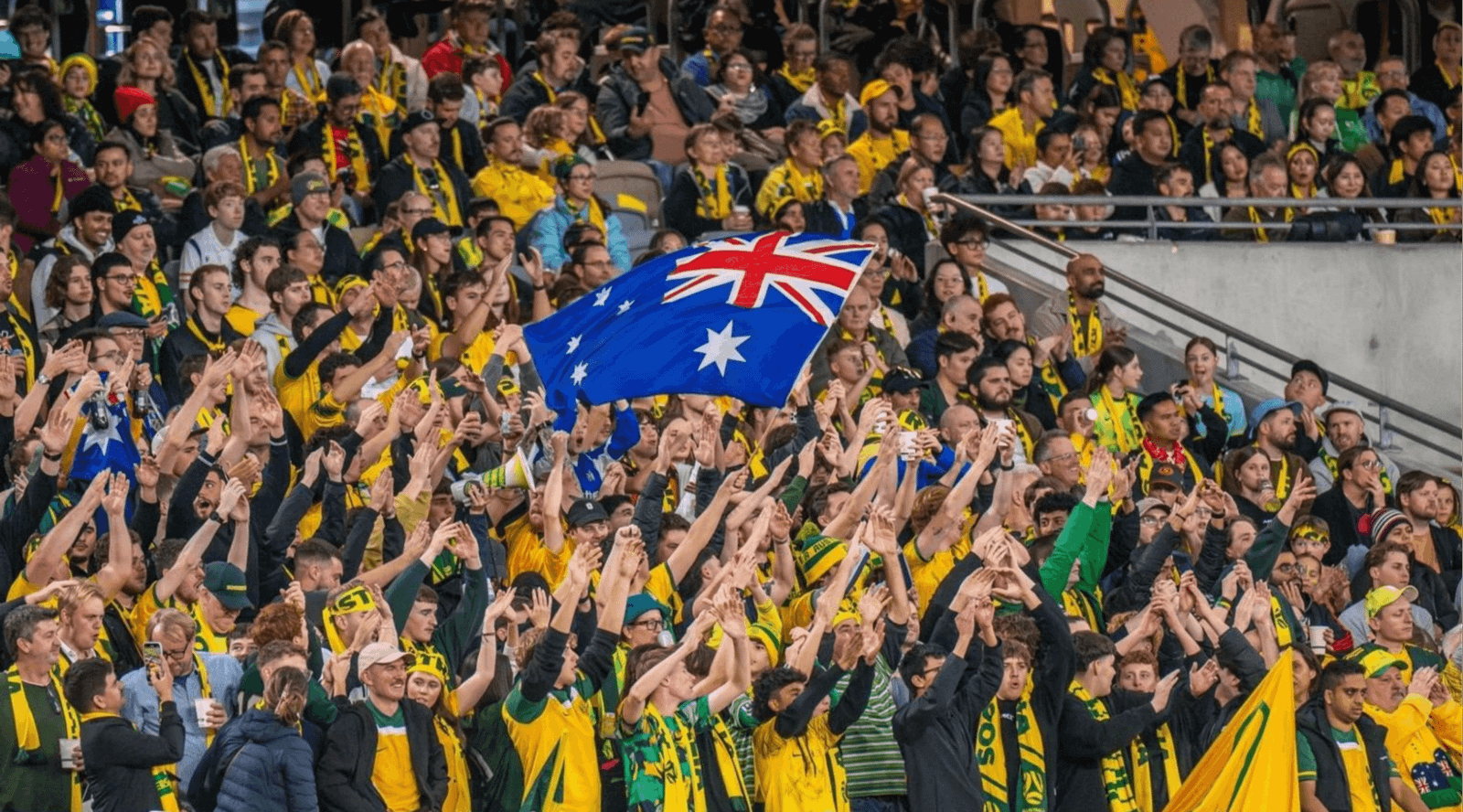
Australia has a wide range of popular sports and physical activities.
The latest broad Australian Sports Commission data shows that walking, fitness/gym and running are among the country's most popular activities, while organised sports such as football, tennis, basketball, Australian Football, netball and cricket have substantial participation. Infrastructure and Transport Dept
Older national participation data also illustrates the breadth of Australia's sporting culture, with activities ranging from swimming and football to tennis, basketball, cricket, Australian Football, netball, surfing and golf. Australian Sports Commission
Some of the major sports and activities Australians follow or participate in include:
- Australian Rules Football
- Cricket
- Football or soccer
- Rugby league
- Rugby union
- Tennis
- Swimming
- Surfing
- Basketball
- Netball
- Golf
- Athletics
- Cycling
- Running
- Bushwalking
The popularity of individual sports can vary according to age, gender, location and whether participation is organised or informal.
Australian Rules Football and the AFL

Australian Rules Football is one of the sports most closely associated with Australian sporting identity.
The professional men's competition is the Australian Football League (AFL), while women's professional Australian Rules Football is represented by AFLW.
The game is played on a large oval field and combines kicking, handballing, running and physical contests.
Its strongest historical roots are in states such as Victoria, South Australia and Western Australia, although Australian Rules Football is played throughout the country.
The sport is also important at grassroots level, where local clubs provide opportunities for children and adults to participate.
The growth of women's Australian Football has added another important dimension to the sport. Australian Sports Commission data has documented increased participation among women following the introduction of AFLW. Australian Sports Commission
Why AFL matters to Australian culture
AFL is not simply a professional competition.
Local clubs can function as community hubs, bringing players, families, volunteers and supporters together.
A typical Australian football weekend can involve junior matches, senior competitions, club events and social gatherings.
Cricket in Australia
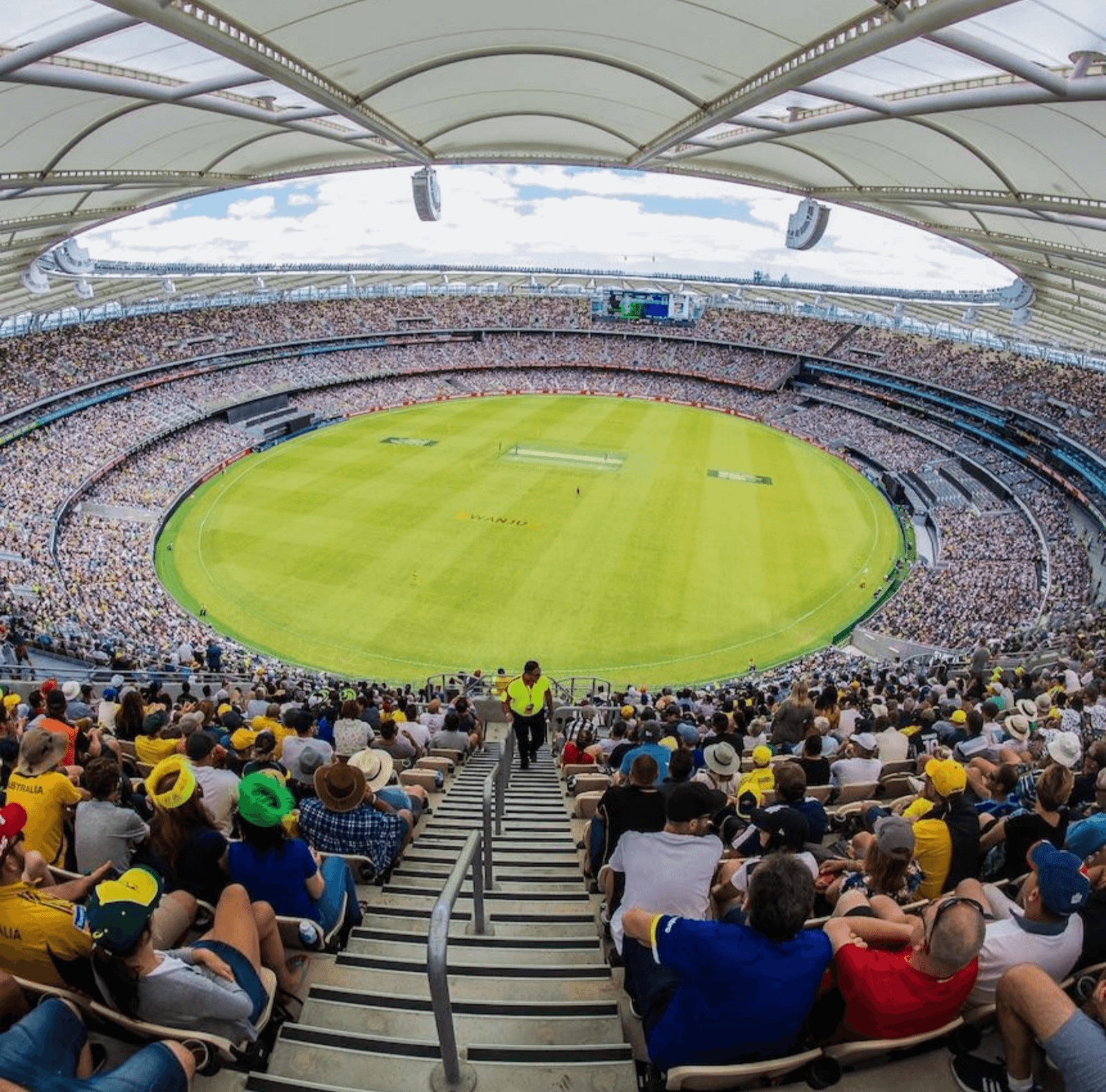
Cricket has a long history in Australia and remains one of the country's major summer sports.
Australia participates in international Test cricket, One Day Internationals and Twenty20 cricket.
The sport also has a strong domestic and grassroots structure, meaning people can encounter cricket at professional stadiums as well as suburban and regional grounds.
Cricket is particularly connected with the Australian summer.
A typical cricket experience can range from a long Test match to a short community or junior game.
Australian Sports Commission data continues to identify cricket as an important participation sport, while recent research has also highlighted cricket among team sports with opportunities to grow participation. Australian Sports Commission
Cricket and Australian sporting tradition
Cricket has contributed to Australia's sporting history through famous international series, domestic competitions, community clubs and generations of players.
For visitors, watching a cricket match can provide a different experience from faster-paced sports because formats can range from several hours to multiple days.
Football or Soccer in Australia

Football, commonly called soccer in Australia, has developed into one of the country's major participation sports.
It is played by children, teenagers and adults across urban and regional communities.
Australia's professional men's competition is the A-League Men, while the A-League Women provides a professional platform for women's football.
The national teams have also increased the visibility of the sport, particularly through international tournaments.
Australian Sports Commission research has identified football as one of the country's major team sports and noted its substantial participation base. Australian Sports Commission
Football is also significant because of its multicultural appeal. Australia's diverse communities have helped create strong local football cultures across the country.
Rugby League and Rugby Union
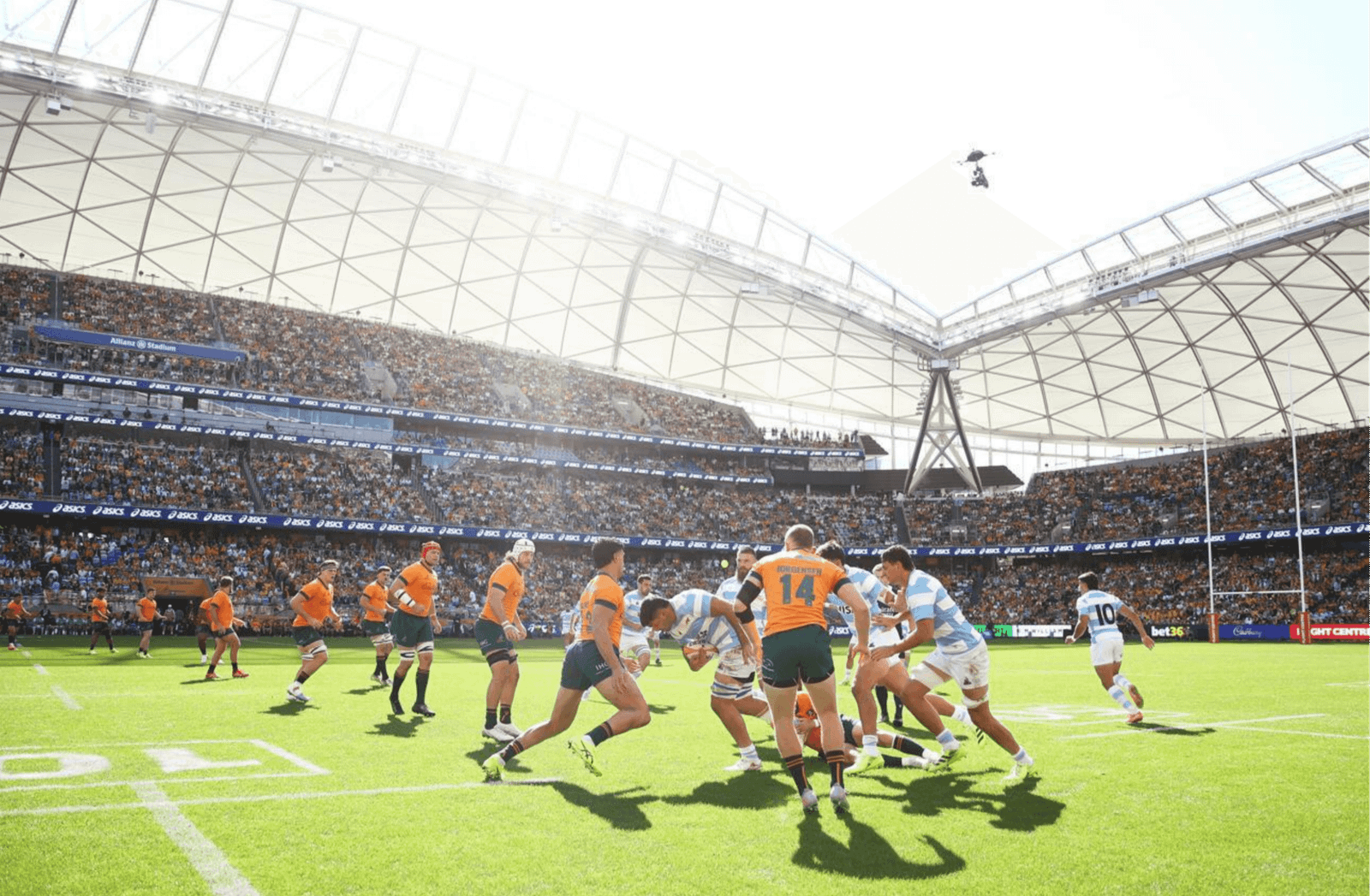
Rugby is represented by two major codes in Australia: rugby league and rugby union.
Rugby League
Rugby league has a particularly strong following in New South Wales and Queensland.
The National Rugby League (NRL) is Australia's leading professional rugby league competition.
State rivalry is also a major part of the sport through the annual State of Origin series between New South Wales and Queensland.
Rugby Union
Rugby union has a different set of rules and structures and is represented internationally by the Wallabies.
The sport has traditionally had strong connections with schools, clubs and international competition.
Both rugby codes contribute to Australia's wider sporting landscape and have established grassroots communities.
Tennis and the Australian Open
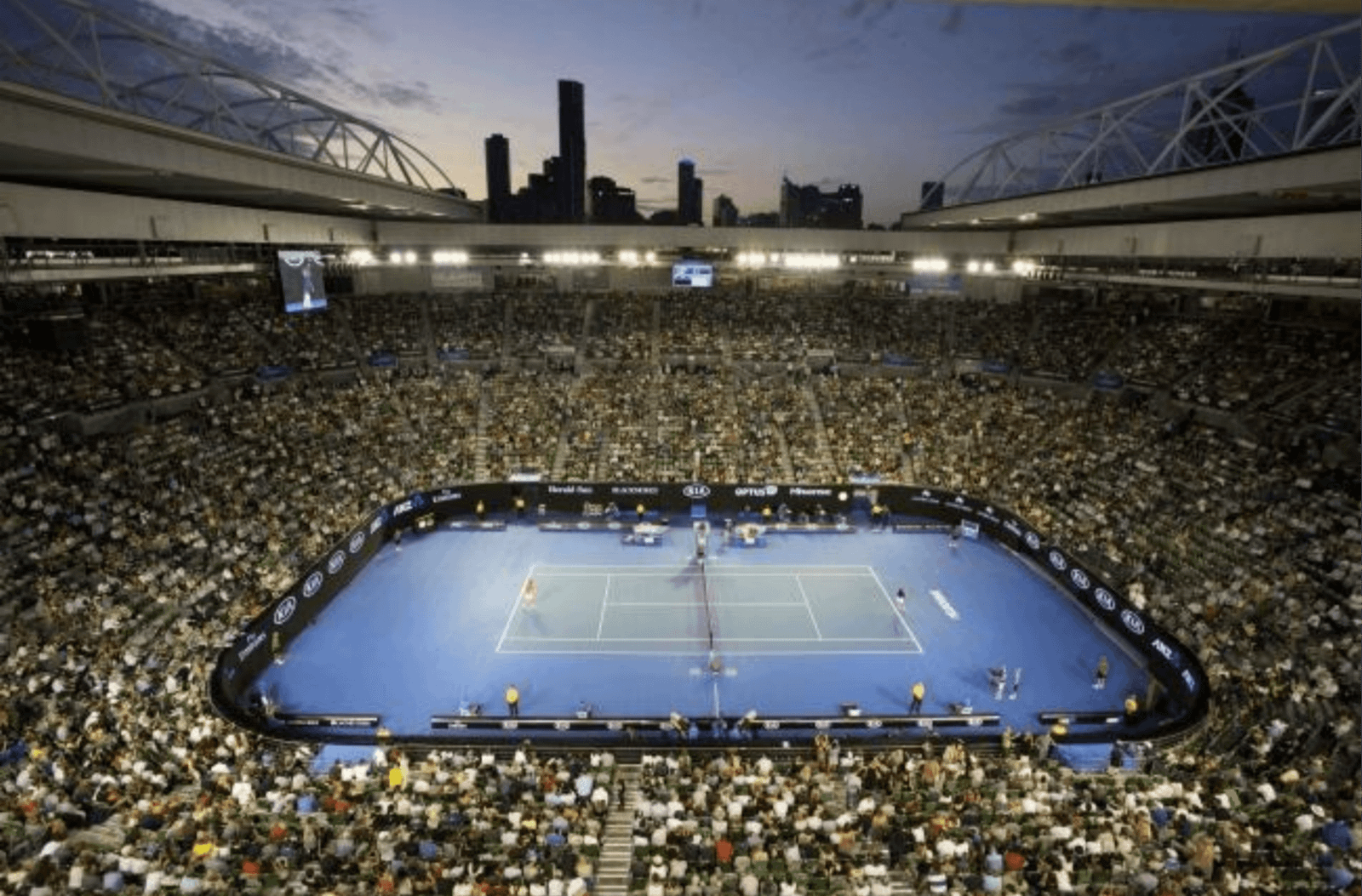
Tennis is one of Australia's long-established participation and spectator sports.
The country's most internationally recognized tennis event is the Australian Open, held annually at Melbourne Park.
It forms part of the Grand Slam calendar alongside the French Open, Wimbledon and US Open.
The Australian Open also contributes to Melbourne's reputation as an important sporting city.
Tennis is not limited to elite competition. Community courts, schools, clubs and recreational facilities make the sport accessible to players at different skill levels.
Australian Sports Commission participation information has consistently identified tennis among Australia's significant sports. Australian Sports Commission
Swimming and Water Sports
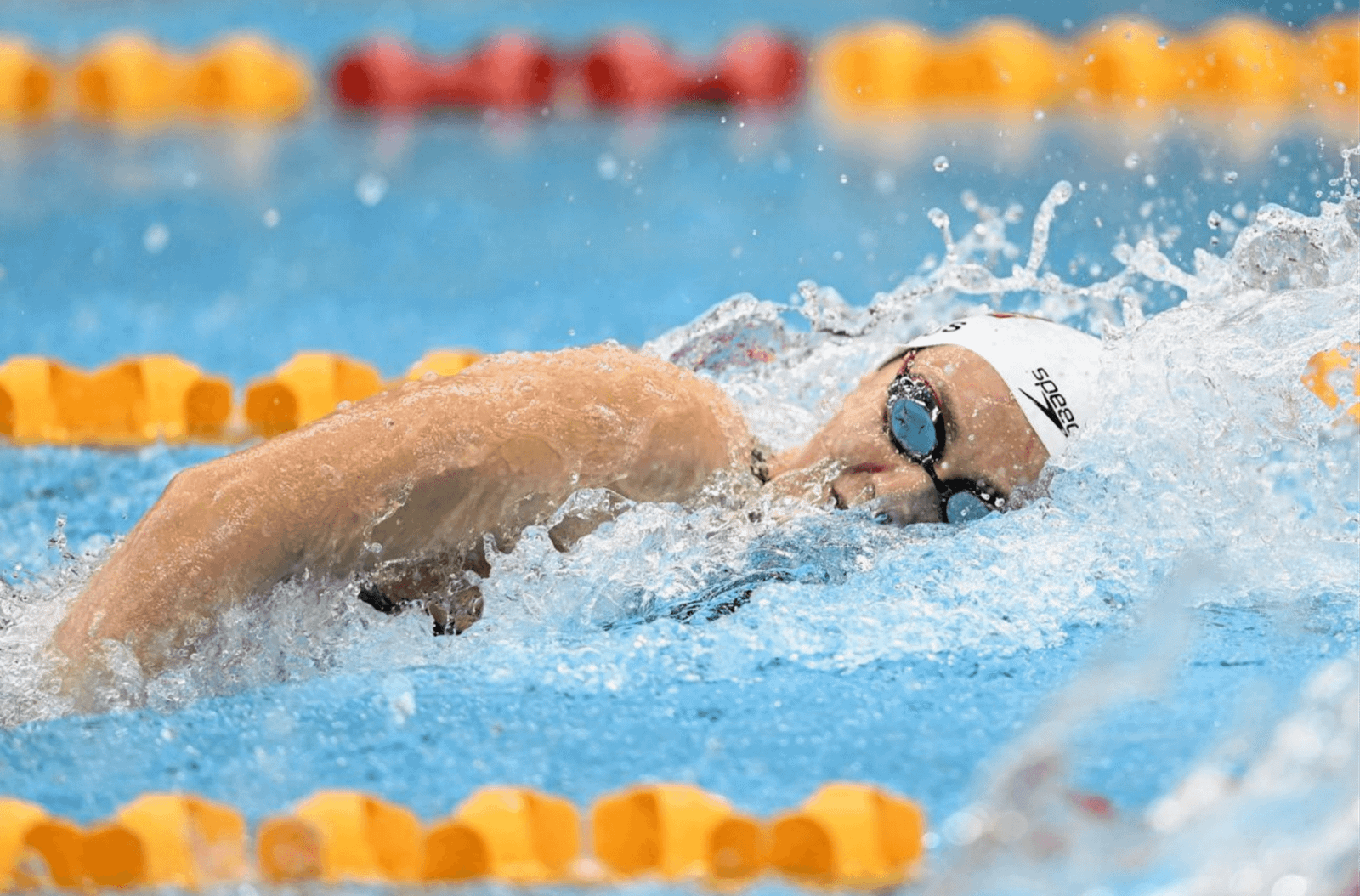
Swimming is particularly important in Australia because of the country's relationship with beaches, pools and water-based recreation.
It is also a major children's activity.
Australian Sports Commission data has identified swimming as one of the most popular activities for Australian children, with recent AusPlay reporting almost two million child participants in swimming. Australian Sports Commission
Swimming can serve several purposes:
- Recreation
- Fitness
- Competition
- Water safety
- School activities
- Lifesaving
- Community participation
Australia has also produced many internationally successful swimmers, making competitive swimming an important part of the country's sporting identity.
Read Also: Australian Lifestyle: Culture, Daily Life, Wellness, Fashion and Modern Living
Surfing and Australia's Beach Culture
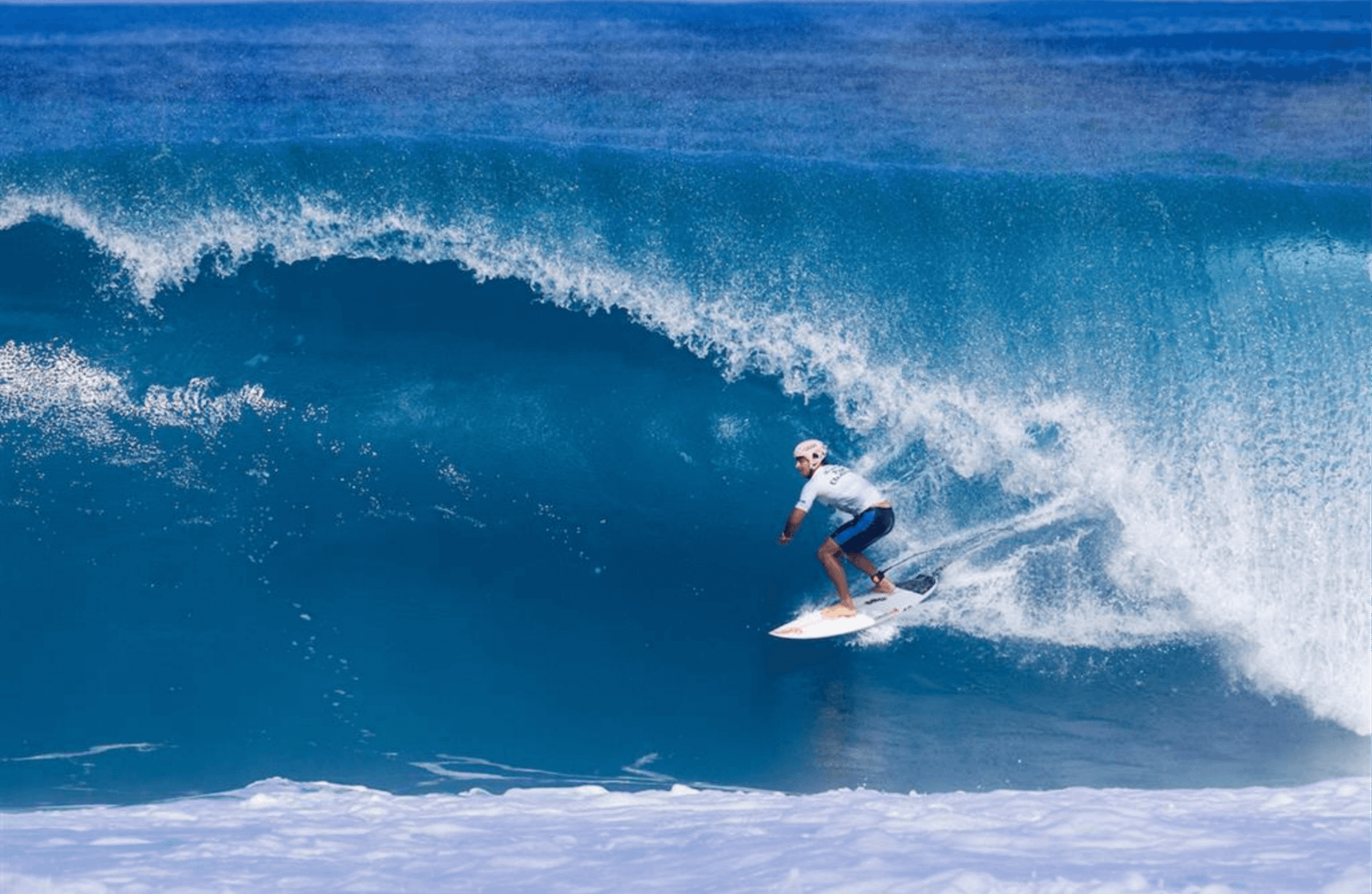
With thousands of kilometres of coastline, it is unsurprising that surfing has become closely associated with Australian lifestyle and culture.
Popular surfing destinations include parts of New South Wales, Queensland, Western Australia, Victoria and South Australia.
Surfing combines recreation, fitness, competition and connection with the ocean.
Australian Sports Commission research has also highlighted surfing as an activity that has attracted additional participants, including significant growth since 2019. Australian Sports Commission
For many coastal communities, surfing is part of everyday life rather than simply a professional sport.
Basketball and Netball
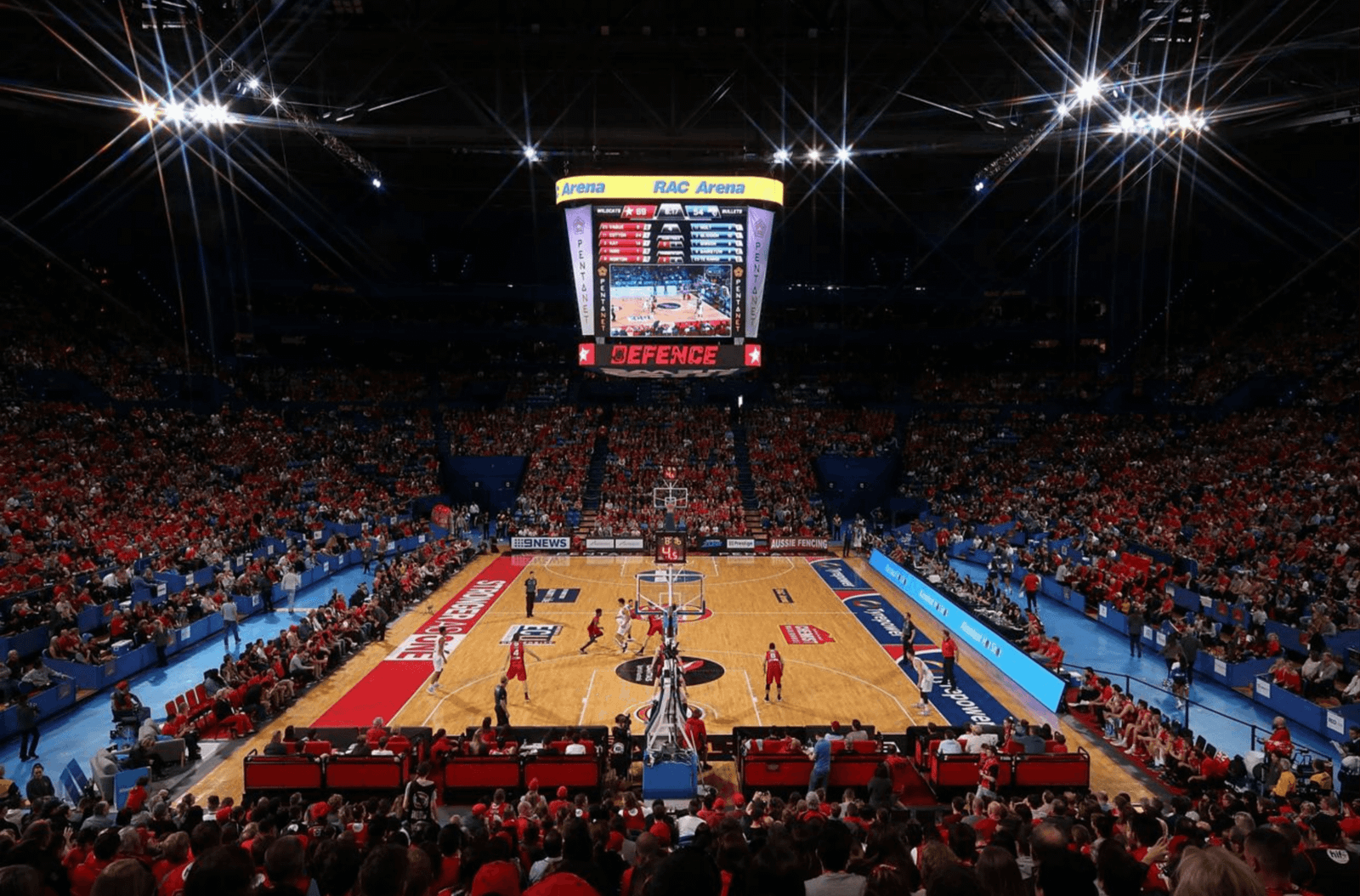
Basketball has grown strongly across Australia, particularly among young people and recreational players.
The sport includes professional competitions as well as school, club and community programs.
Netball also has a major role in Australian sport, particularly among women and girls.
Australian Sports Commission data has repeatedly shown netball among important participation sports for women and girls. Australian Sports Commission
Both sports demonstrate how Australia's sporting culture includes opportunities beyond the traditional male-dominated professional codes.
Major Australian Sporting Events
Australia hosts a wide variety of major sporting competitions.
Some of the best-known include:
Australian Open
Held in Melbourne, the Australian Open attracts international tennis players and spectators each year.
AFL Grand Final
The AFL Grand Final is one of Australia's most prominent annual sporting events.
NRL Grand Final
The NRL Grand Final is a major event in Australian rugby league.
State of Origin
The New South Wales versus Queensland State of Origin series is one of rugby league's most recognizable annual competitions.
Cricket Tests
Australia hosts major international cricket matches during the Australian summer.
Australian Grand Prix
The Formula 1 Australian Grand Prix is held at Albert Park in Melbourne and attracts international motorsport attention.
Surfing competitions
Australia's coastline hosts professional and community surfing competitions throughout the year.
These events contribute to tourism, hospitality, media, employment and local economies as well as sporting culture.
Women's Sport in Australia

Women's sport has become increasingly visible across Australia.
Professional women's competitions now exist across several major codes, including:
- AFLW
- A-League Women
- WNBL
- WBBL
- NRLW
- Super Netball
The growth of women's sport has also influenced participation at grassroots level.
Australian Sports Commission data shows substantial participation by women and girls in sports including netball, tennis, football and basketball. Australian Sports Commission
The expansion of women's professional competitions provides additional pathways for athletes, coaches, officials and administrators.
It also gives younger girls more opportunities to see women competing at elite level.
Grassroots and Community Sport
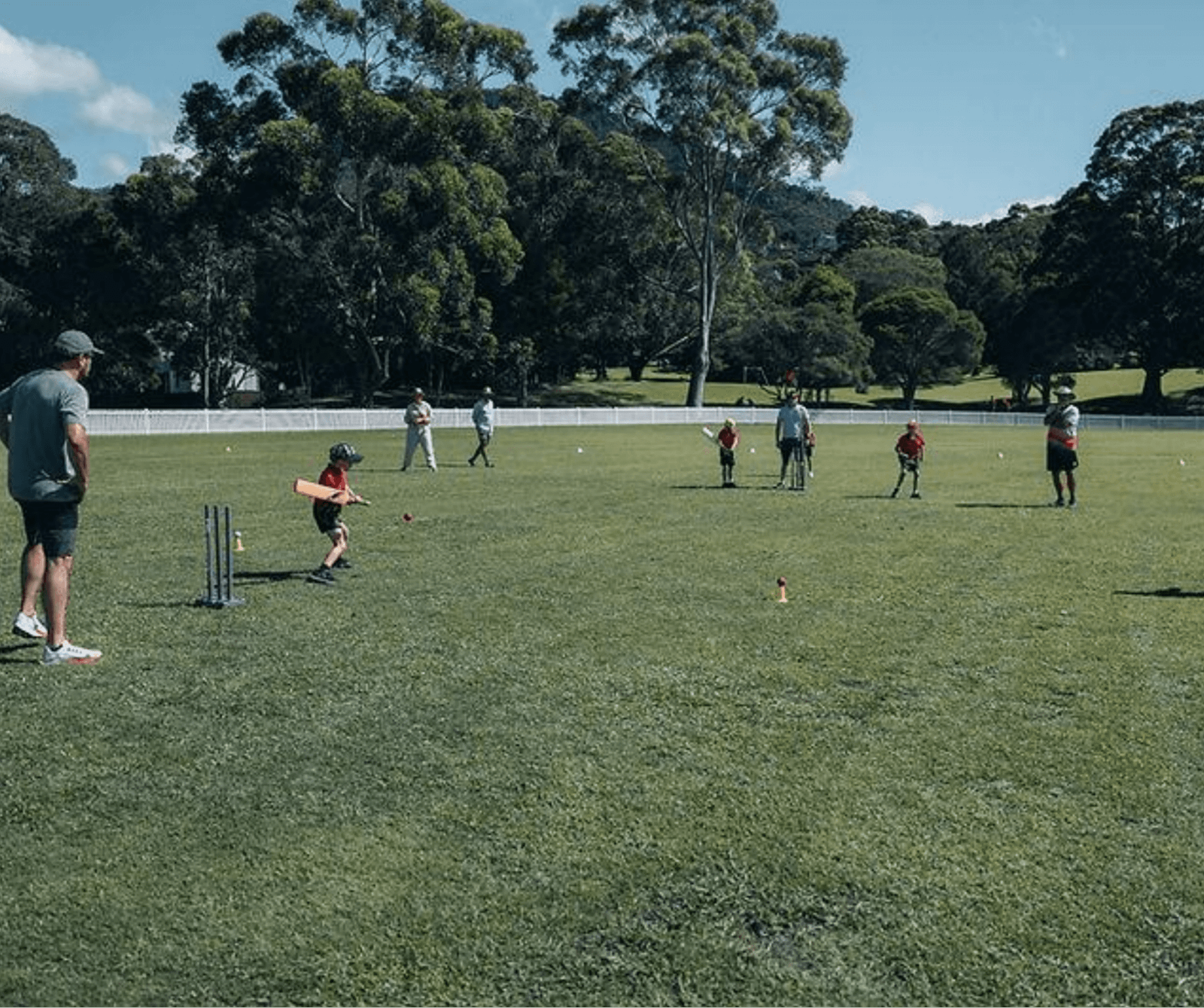
Professional sport receives much of the media attention, but grassroots sport is arguably one of the most important parts of Australian sporting life.
Local clubs provide opportunities for:
- Children to learn sports
- Adults to compete
- Families to meet
- Volunteers to contribute
- Coaches to develop
- Communities to connect
The Australian Sports Commission reports that more than 2.7 million adults volunteer in sport or physical activity, demonstrating the important contribution of volunteers to the sporting system. Infrastructure and Transport Dept
Grassroots clubs can also help young people develop teamwork, communication, confidence and social connections.
This makes local sport an important part of Australian community life even for people who never become professional athletes.
Sport, Health and Australian Lifestyle
Sport and physical activity are closely connected with Australia's broader lifestyle.
Australians participate for many reasons, including:
- Fitness
- Recreation
- Social connection
- Competition
- Mental wellbeing
- Outdoor experiences
- Family activities
The latest Australian Sports Commission research shows that informal activities are particularly important, with adults often choosing parks, beaches, streets and homes as places to be active. Australian Sports Commission
Walking, fitness and running are among the most popular activities in the latest data. Australian Sports Commission
This is important when discussing sports in Australia because the country's sporting culture extends beyond organised competitions.
Someone who goes swimming at a local pool, cycles to work, walks along a beach or runs in a park is participating in Australia's broader physical-activity culture.
Indigenous Connections to Australian Sport
Australia's sporting history also intersects with Aboriginal and Torres Strait Islander cultures.
Indigenous Australians have made major contributions to many sports, while traditional physical activities and games are part of Australia's broader cultural heritage.
Modern sporting organisations increasingly recognize the importance of Indigenous participation, representation and cultural awareness.
For a complete understanding of Australian sports culture, Indigenous perspectives should be included alongside Australia's professional leagues and mainstream sporting traditions.
Australian Sporting Culture and Identity
Sport can create shared experiences between people from different backgrounds.
A person may support a professional team, play in a local club, follow international competitions or simply enjoy an afternoon at the beach.
Australia's multicultural population also means that sporting interests are diverse.
Football has strong connections with many migrant communities, cricket connects Australia with South Asia and other cricket-playing nations, while basketball, tennis, rugby and other sports attract participants from many backgrounds.
The Australian Sports Commission's research shows that sport is continuing to adapt through different formats and programs intended to welcome people of different ages and abilities. Australian Sports Commission
That flexibility is becoming increasingly important in modern Australian sport.
Tips for Experiencing Sport in Australia
If you are visiting Australia and want to experience its sporting culture, consider the following.
Attend a live match
Watching AFL, cricket, rugby, football or basketball in person can give you a stronger sense of the atmosphere than watching on television.
Visit Melbourne for major sporting experiences
Melbourne is particularly well known for major events and sporting venues.
Try a local activity
Depending on your location and ability, you could try swimming, surfing, cycling, tennis or another recreational activity.
Visit during a major sporting event
Events such as the Australian Open and Australian Grand Prix can transform the atmosphere of their host cities.
Explore community sport
Local clubs can offer a more everyday perspective on Australian sporting culture than major stadiums.
Respect local conditions
For outdoor activities, pay attention to weather, water conditions, heat, sun protection and local safety advice.
Conclusion
Australian sports are much more than professional competitions and famous athletes.
They include the AFL match at a packed stadium, cricket on a summer afternoon, children playing football at a local ground, families watching netball, surfers waiting for waves and people running through parks or walking along Australia's coastline.
The country's sporting culture combines professional competition with grassroots participation and everyday physical activity. Current Australian Sports Commission data shows that sport and physical activity remain deeply embedded in Australian life, with millions of adults and children taking part and millions more contributing as volunteers. Infrastructure and Transport Dept
From AFL and cricket to football, rugby, tennis, swimming, basketball and surfing, Australia's sporting landscape is diverse enough to appeal to different ages, communities and interests.
For visitors, experiencing Australian sport can also be a way to understand the country's lifestyle, communities and cultural identity.


