Australia is home to extraordinary natural landscapes, from tropical rainforests and rugged mountains to red deserts, dramatic coastlines, wetlands, and coral-rich marine environments. Exploring national parks and reserves in Australia is one of the best ways to experience the continent’s wildlife, natural beauty, and rich cultural heritage.
Whether you enjoy hiking through forests, watching kangaroos in their natural habitat, discovering ancient rock formations, or relaxing beside a peaceful lake, Australia offers protected places for many different travel styles. Some parks are easy to explore on a day trip, while others require detailed planning and several days of travel.
According to Parks Australia, the federal agency manages six Commonwealth national parks and 60 marine parks, alongside the Australian National Botanic Gardens. States and territories also manage many other national parks and conservation reserves.
In this guide for Australian Continent, discover 12 remarkable national parks and reserves, the experiences each destination offers, and practical tips for planning a responsible visit.
Also Read: Weather in Australia by Month: Complete Year-Round Travel Guide
Why Are National Parks and Reserves Important?
National parks and reserves protect natural landscapes, native animals, plants, and places of cultural significance. They also give visitors opportunities to learn about ecosystems and experience nature responsibly.
Australia’s protected areas include deserts, rainforests, wetlands, mountain ranges, islands, coastlines, and marine environments. Their management arrangements vary: some are administered by the Australian Government, while others are managed by state and territory agencies.
Here are some of the main reasons these areas are worth exploring:
- Wildlife conservation: Protected areas provide important habitats for native animals and birds.
- Natural scenery: Visitors can experience waterfalls, beaches, cliffs, forests, and distinctive rock formations.
- Outdoor recreation: Many parks offer walking tracks, camping areas, scenic lookouts, and guided activities.
- Cultural heritage: Some parks contain places of deep significance to Aboriginal and Torres Strait Islander peoples.
- Environmental education: Visitors can learn about conservation, biodiversity, and the importance of protecting natural environments.
Visiting responsibly helps preserve these places for future generations.
12 Best National Parks and Reserves in Australia
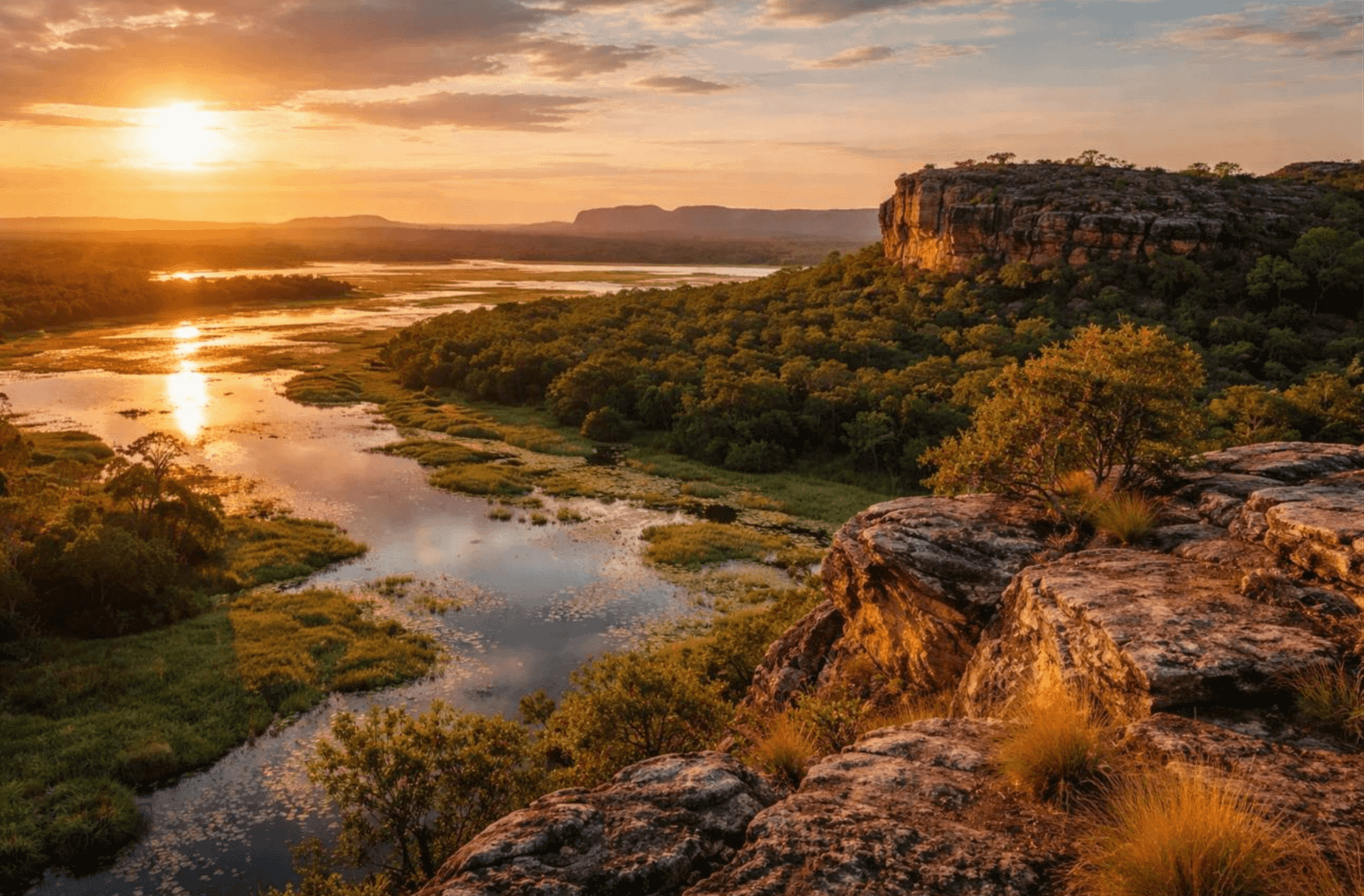
1. Kakadu National Park, Northern Territory
worldplacesexplained.com
Kakadu National Park is one of Australia’s most remarkable destinations for travellers interested in wildlife, wetlands, dramatic landscapes, and Aboriginal cultural heritage. Located in the Northern Territory, it features expansive floodplains, sandstone escarpments, seasonal waterfalls, and habitats supporting a wide variety of birds and other wildlife.
Visitors can explore selected walking tracks, discover ancient rock art at approved sites, or join guided experiences to learn about the area’s cultural significance. Wetland cruises and scenic flights may also be available, depending on the season and operator.
Best experiences:
- Explore accessible rock-art sites with respect for cultural protocols.
- Observe birds and other wildlife from permitted viewing areas.
- Discover the park’s changing wetlands and landscapes.
- Join a locally guided cultural or nature experience.
Kakadu is large, so it is important to plan routes rather than expect to see everything in one day. Seasonal road closures and access restrictions can affect some attractions. Check Parks Australia before travelling.
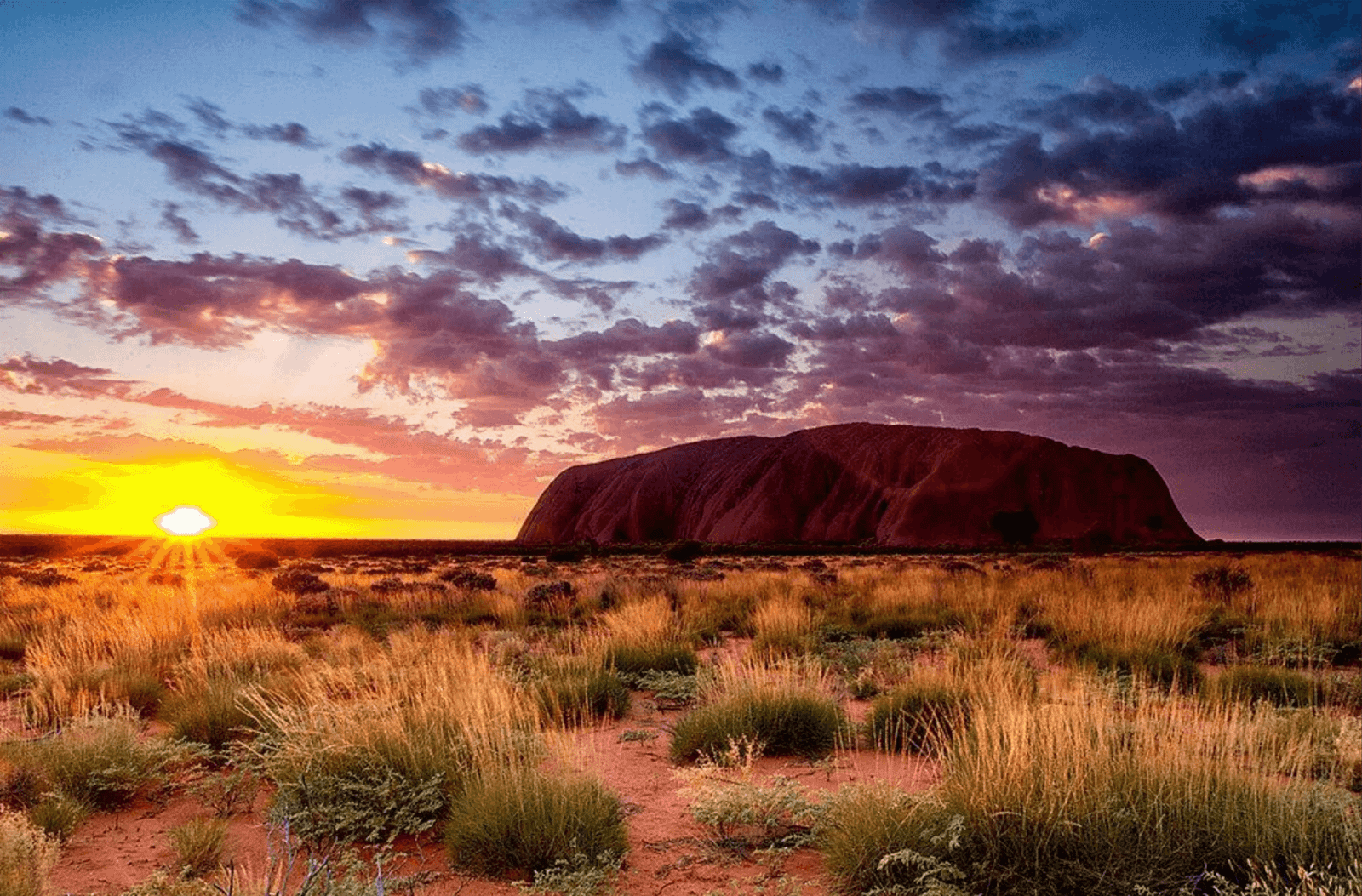
2. Uluṟu-Kata Tjuṯa National Park, Northern Territory
expiprofi.de
Uluṟu-Kata Tjuṯa National Park is famous for its immense sandstone formations and the deep cultural connections the landscape holds for the local Aṉangu Traditional Owners.
Uluṟu rises dramatically above the surrounding desert, while the domes of Kata Tjuṯa create another striking natural landmark. Visitors can appreciate the changing colours of the landscape, explore designated walking routes, and learn about Aṉangu culture through approved interpretation and guided experiences.
Things to do:
- Watch the changing light over Uluṟu from designated viewing areas.
- Explore permitted walks around the park.
- Learn about the cultural significance of the landscape.
- Photograph the desert scenery while respecting local restrictions.
Uluṟu is a sacred place. Visitors should follow park guidance about photography, restricted areas, and respectful behaviour. Climbing Uluṟu is not permitted.
Learn more through the official Uluṟu-Kata Tjuṯa National Park website.
3. Blue Mountains National Park, New South Wales
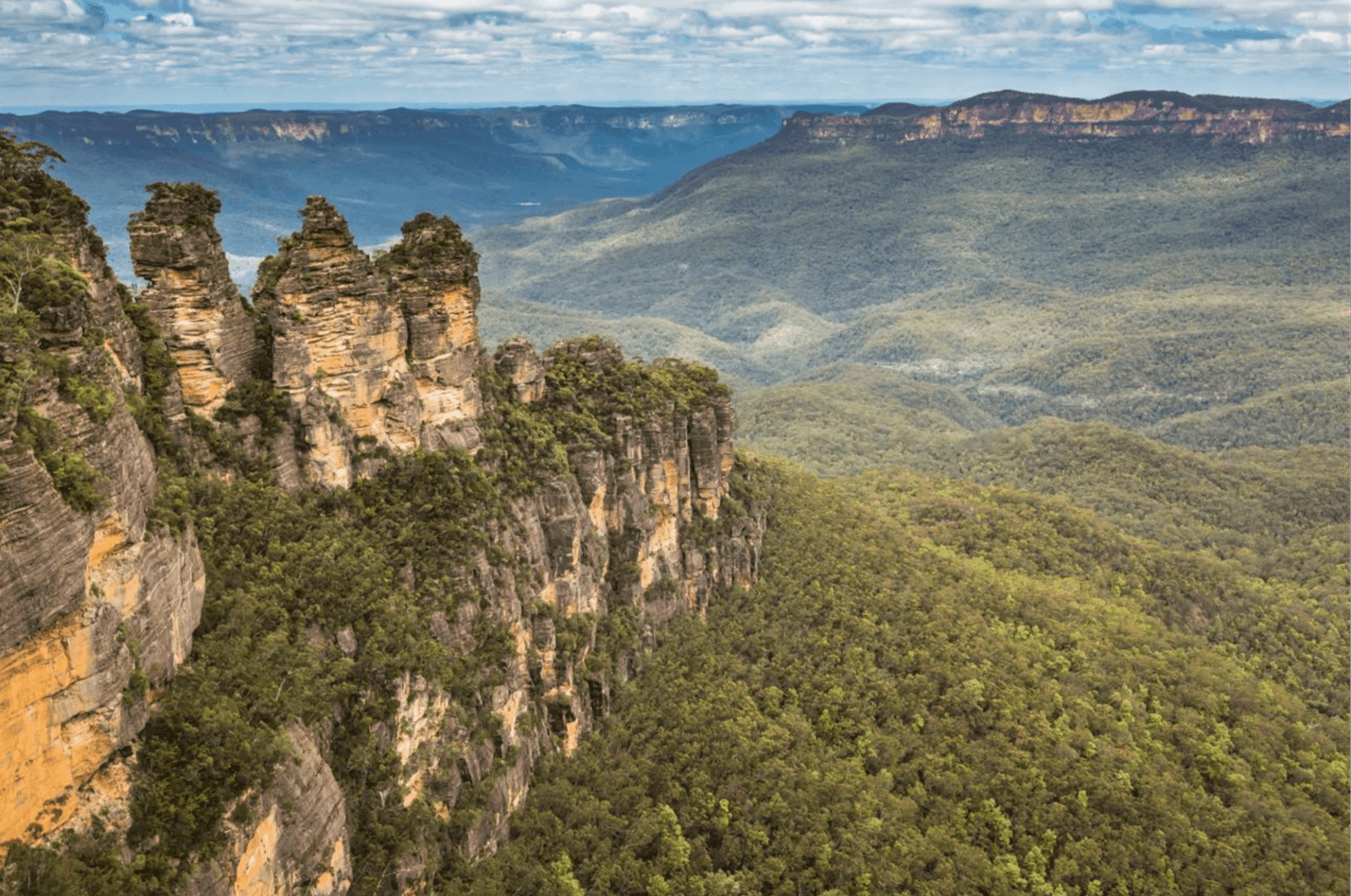
Blue Mountains National Park is a popular choice for travellers seeking dramatic views, eucalyptus forests, sandstone cliffs, waterfalls, and walking tracks. Its scenery makes it an appealing nature escape from Sydney.
The Three Sisters rock formation near Katoomba is among the region’s best-known landmarks. Visitors can explore designated lookouts, take walks through forested valleys, and discover waterfalls where conditions and access allow.
Popular experiences:
- Visit the Three Sisters lookout.
- Explore approved bushwalking tracks.
- Photograph cliffs, forests, and valleys.
- Discover nearby towns and visitor facilities.
Choose walks that match your fitness level and check track conditions before setting out. Some routes involve steep steps, exposed sections, or challenging terrain.
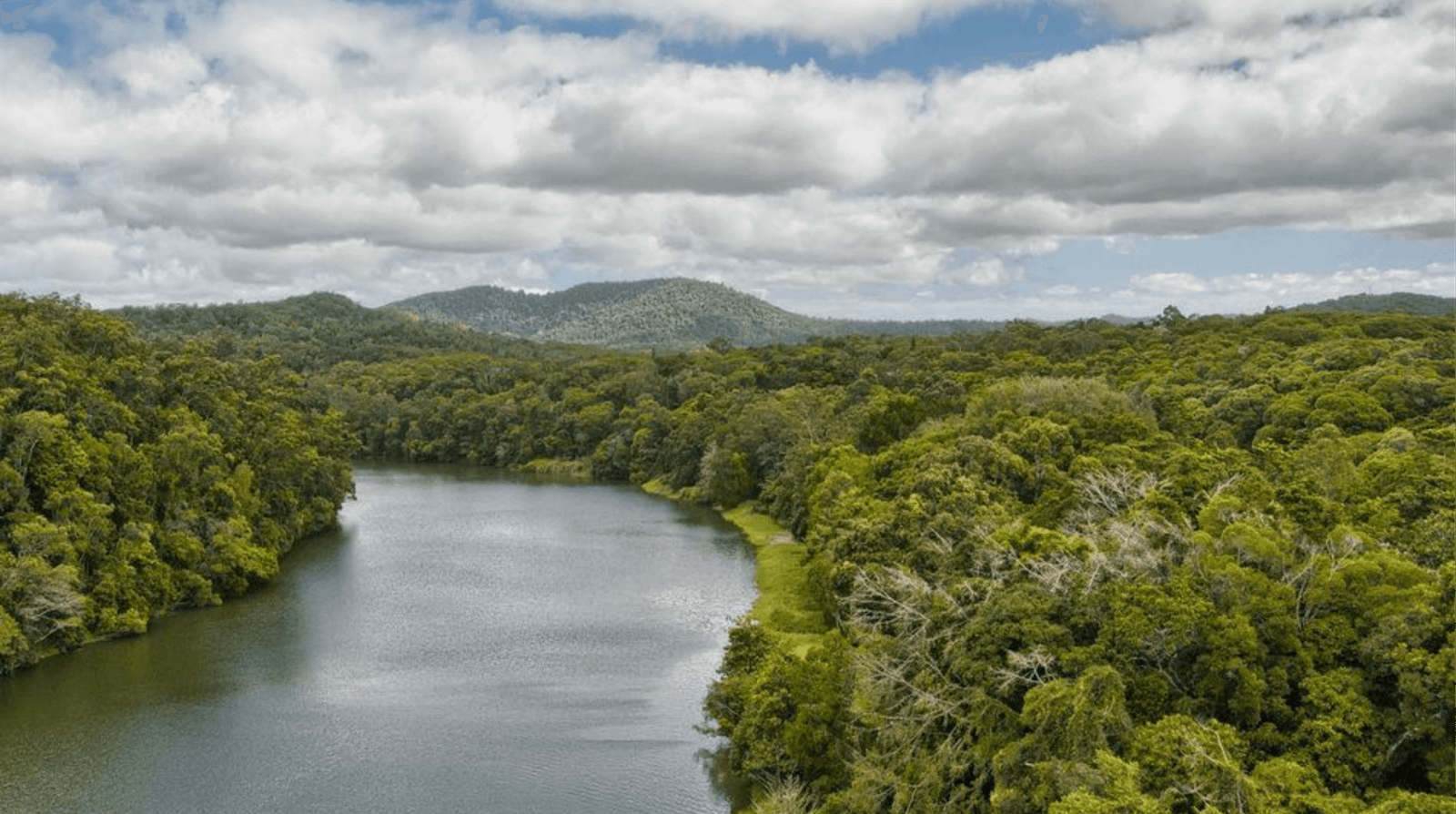
4. Daintree Rainforest, Queensland
wexas.com
The Daintree Rainforest offers a very different experience from Australia’s dry interior. Located in tropical North Queensland, this lush region is known for dense vegetation, extraordinary biodiversity, and the cultural heritage of the Eastern Kuku Yalanji people.
Visitors can explore boardwalks, join guided rainforest tours, learn about native plants, and discover the relationship between the forest, rivers, and coastline.
What makes it special:
- Tropical rainforest scenery and diverse plant life.
- Opportunities to learn about native wildlife.
- Guided experiences that explain local First Nations culture.
- Nature walks and photography opportunities.
Follow wildlife safety advice, particularly near rivers and estuaries where crocodiles may be present. Do not enter waterways unless official signs and local guidance confirm that it is safe.
Explore the official Tourism Australia nature guide for more information about the country’s rainforests and natural environments.
5. Cradle Mountain-Lake St Clair National Park, Tasmania
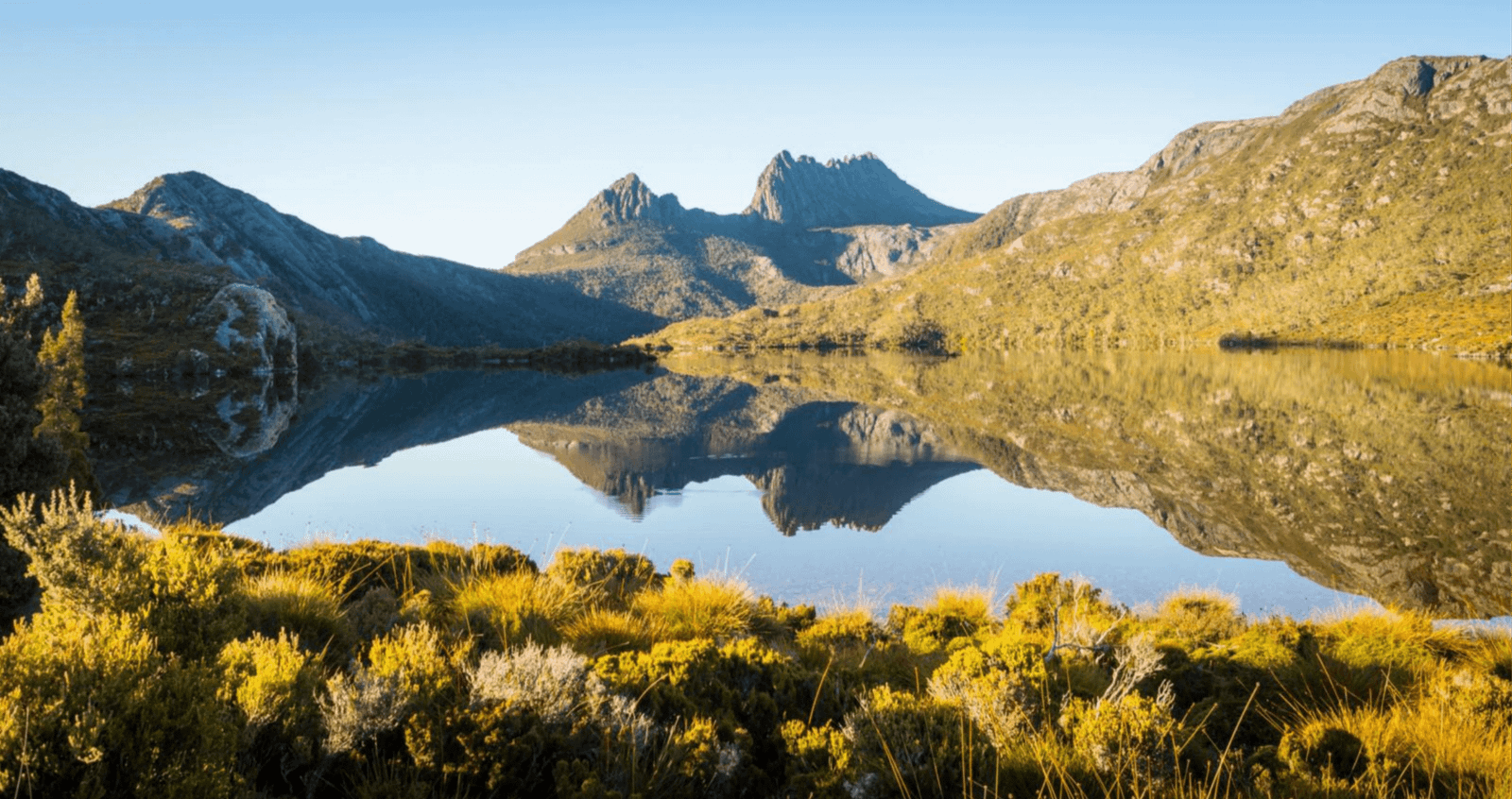
Cradle Mountain-Lake St Clair National Park is an excellent option for travellers who enjoy alpine scenery, cool-climate forests, glacial lakes, and challenging or gentle walks.
The park’s landscapes change with the seasons. Clear days can reveal mountain views and lake reflections, while cooler months may bring snow and more demanding hiking conditions. Native wildlife, including wombats, can sometimes be spotted from appropriate viewing areas.
Things to enjoy:
- Walk along designated tracks near Dove Lake.
- Photograph mountain scenery and forest landscapes.
- Explore short nature walks or longer routes suited to your ability.
- Learn about Tasmania’s unique ecosystems.
Weather can change quickly in Tasmania. Carry suitable layers, check track conditions, and avoid starting long walks late in the day.
6. Freycinet National Park, Tasmania
pinadventures.com
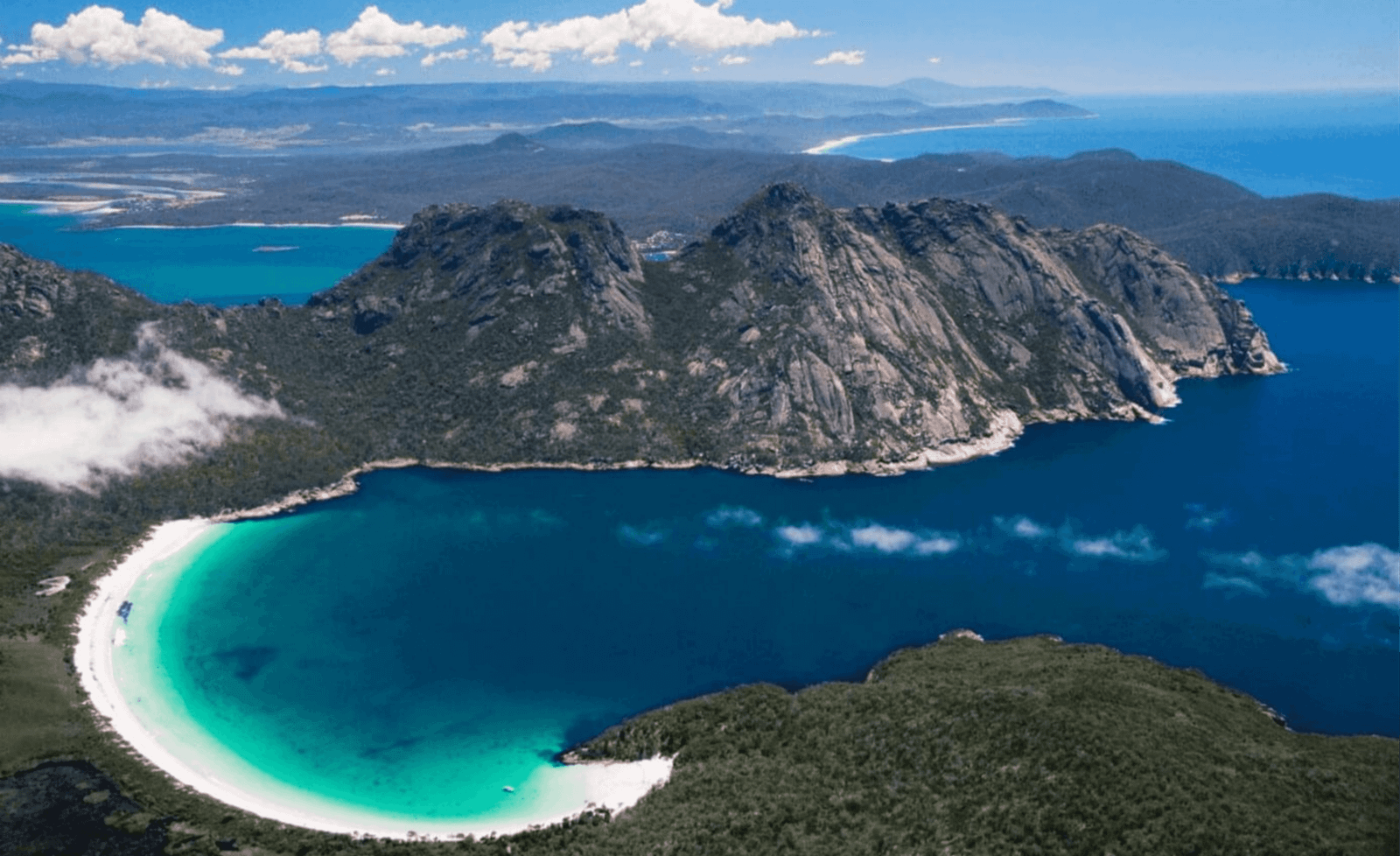
Freycinet National Park combines coastal scenery, pink granite mountains, forested areas, and beautiful bays. Wineglass Bay is its best-known attraction, drawing visitors for its curved shoreline and blue-green water.
The park offers options for different travel styles, from scenic lookouts to more demanding walks. Visitors who prefer a relaxed visit can enjoy coastal views, while experienced hikers may choose longer trails after checking conditions.
Highlights include:
- Wineglass Bay lookout.
- Coastal walking routes.
- Views of the Hazards mountain range.
- Photography and nature observation.
Some trails involve steep sections and uneven ground. Check current conditions and allow sufficient time for the return journey.
7. Karijini National Park, Western Australia
bluetonguephototours.com.au
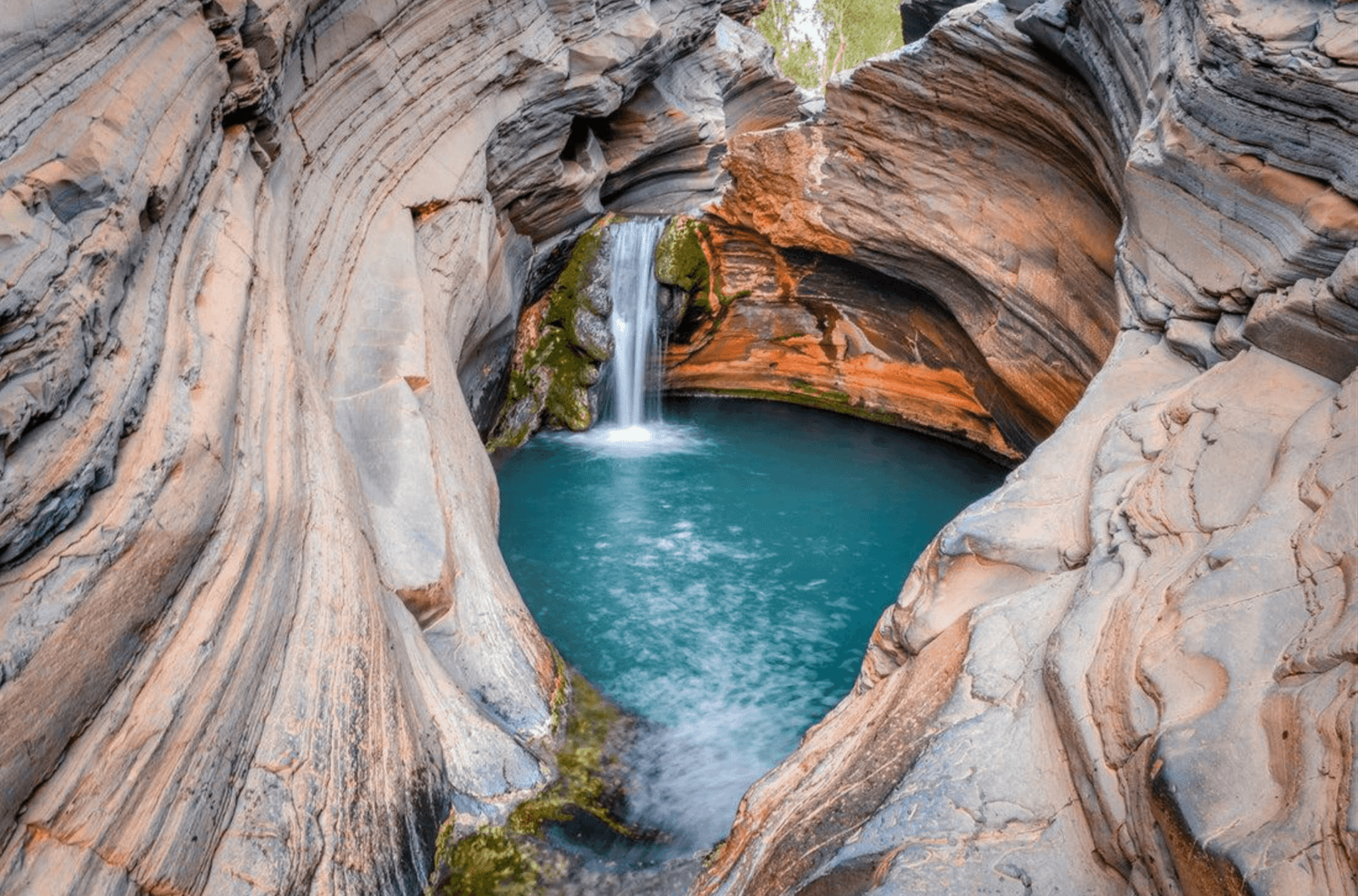
Karijini National Park is known for its red rock landscapes, deep gorges, waterfalls, and pools surrounded by rugged cliffs. Located in Western Australia’s Pilbara region, it offers a striking example of the continent’s ancient geological scenery.
Visitors may explore approved gorge walks, scenic viewpoints, and selected natural pools where access is open and conditions are suitable.
Why visit Karijini?
- Discover dramatic red sandstone gorges.
- Photograph unusual rock formations.
- Explore designated hiking routes.
- Experience the landscapes of the Pilbara.
Gorge environments can present serious risks, including slippery rocks, sudden weather changes, and difficult climbs. Do not enter water or attempt routes unless the park authority confirms that access and conditions are suitable.
8. Wilsons Promontory National Park, Victoria
humbo.com
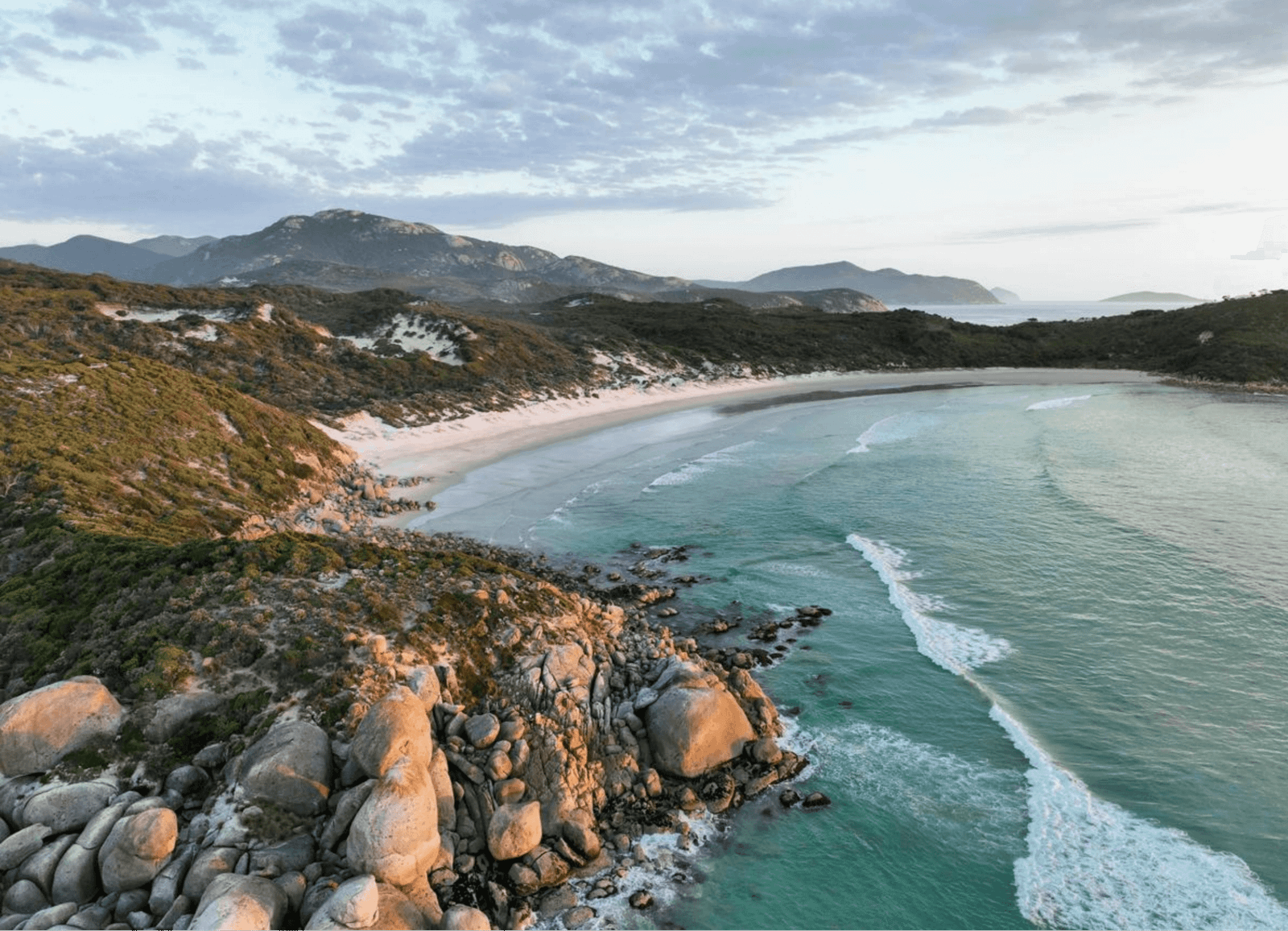
Known locally as “The Prom,” Wilsons Promontory is a diverse coastal destination featuring sandy beaches, granite peaks, forested valleys, and wildlife habitats.
It is suitable for visitors who want a combination of walking, beach scenery, wildlife observation, and camping where facilities are available. The range of landscapes makes it an attractive destination for photographers and nature lovers.
Top activities:
- Walk to designated lookouts.
- Explore accessible beaches.
- Observe native wildlife from a safe distance.
- Enjoy scenic drives and approved walking trails.
Camping and accommodation can be in high demand during busy periods. Check reservation requirements and local park alerts before travelling.
9. Flinders Chase National Park, South Australia
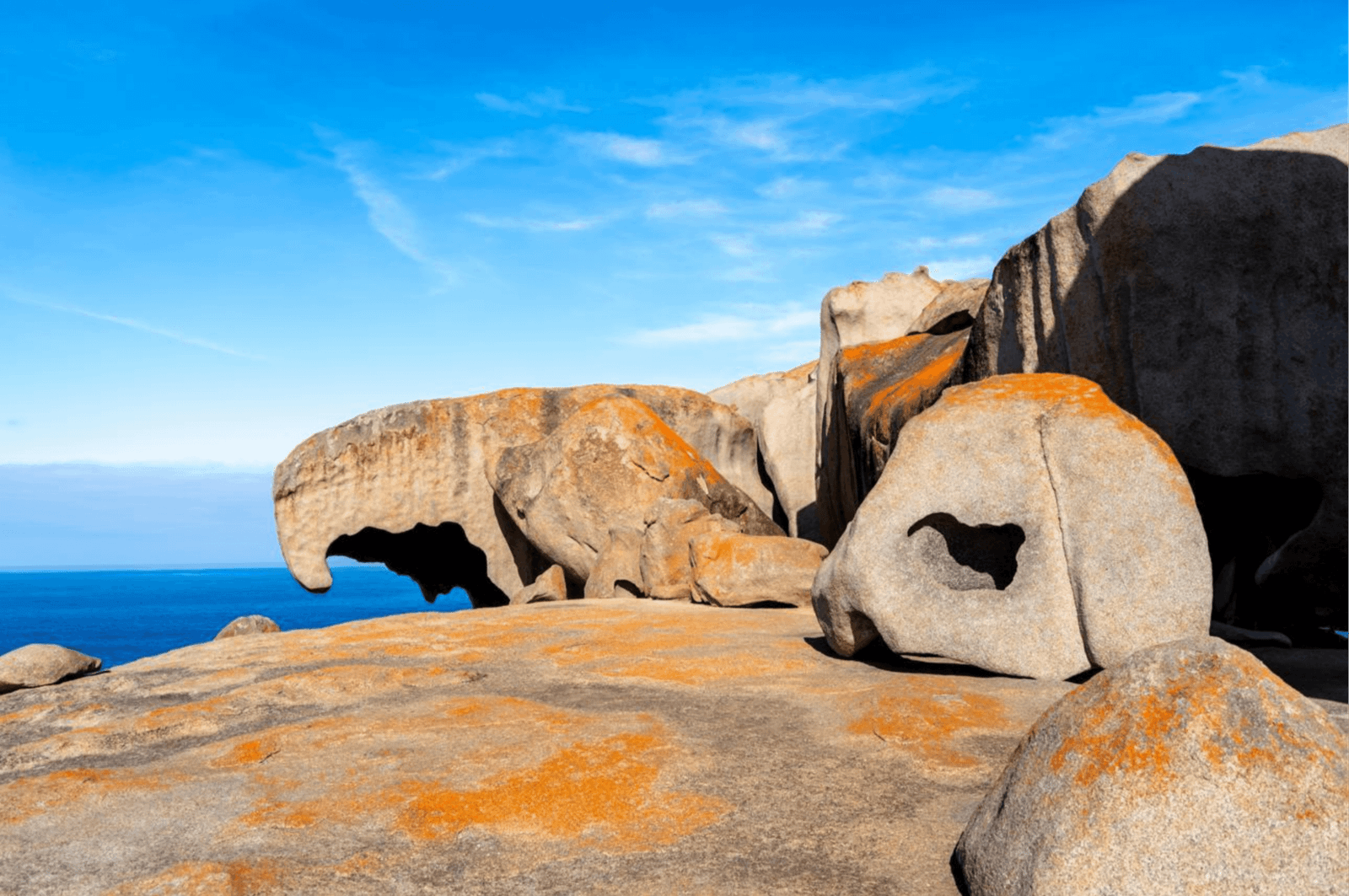
Flinders Chase National Park occupies part of Kangaroo Island and is known for its rugged coastline, unusual granite formations, native wildlife, and dramatic ocean scenery.
Two of its most recognisable landmarks are the Remarkable Rocks and Admirals Arch. These natural features illustrate how wind, waves, and time shape coastal landscapes.
What to explore:
- View the Remarkable Rocks from designated areas.
- Visit Admirals Arch where access is open.
- Look for wildlife without feeding or approaching animals.
- Enjoy coastal photography and approved walking routes.
The Southern Ocean can be powerful, so stay behind barriers and obey warnings near cliffs and exposed shorelines.
10. Ikara-Flinders Ranges National Park, South Australia
nathab.com
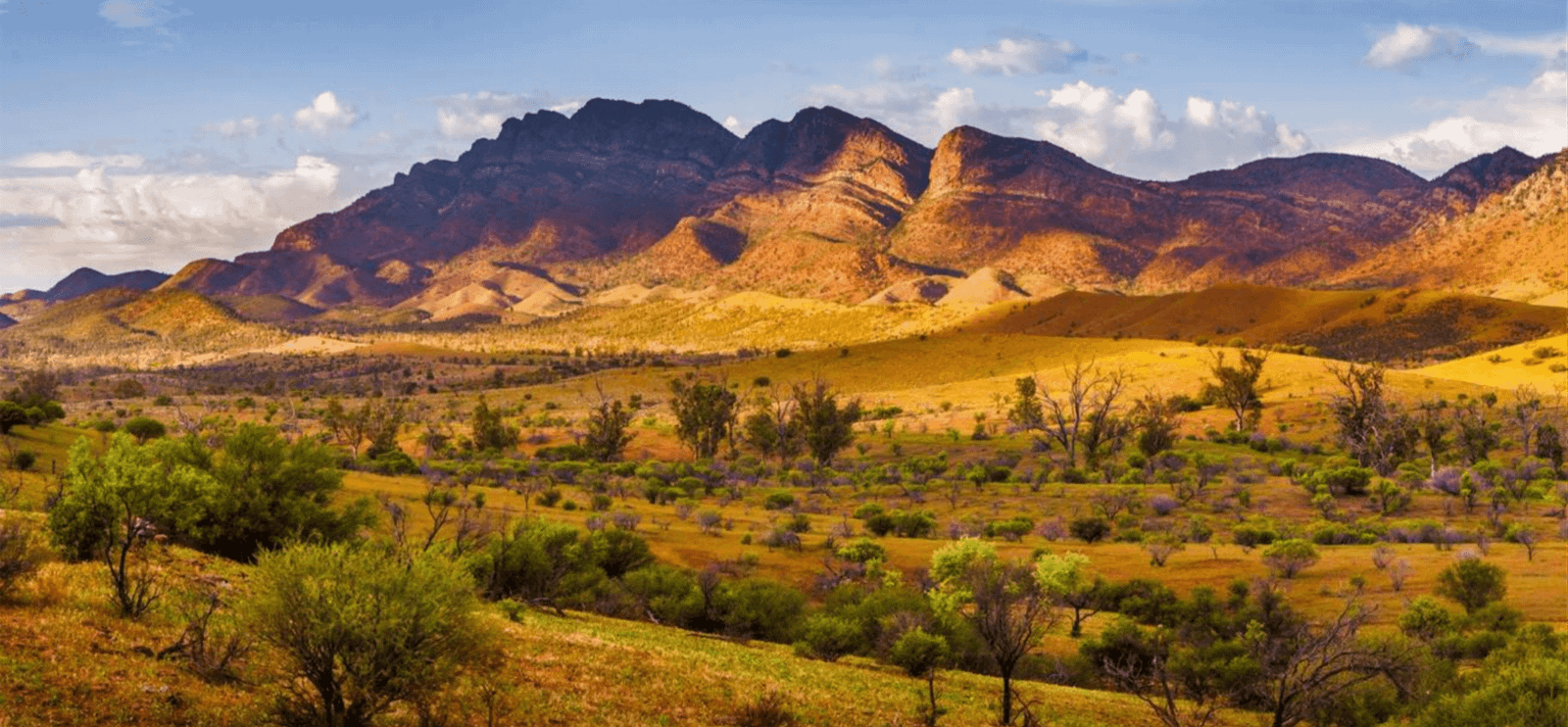
Ikara-Flinders Ranges National Park is a destination for travellers drawn to ancient landscapes, rugged ranges, expansive views, and Aboriginal cultural heritage.
The area’s defining feature is Wilpena Pound, a dramatic natural formation surrounded by mountain ridges. Walking, scenic drives, and guided cultural experiences can help visitors appreciate the landscape and its significance.
Recommended experiences:
- Explore designated lookouts and walking trails.
- Photograph the red-earth landscape.
- Learn about Adnyamathanha culture through appropriate guided experiences.
- Enjoy the region’s wide-open skies and remote scenery.
Because some areas are remote, plan fuel, water, accommodation, and driving times carefully. Confirm road access before departing.
11. Kalbarri National Park, Western Australia
loveexploring.com
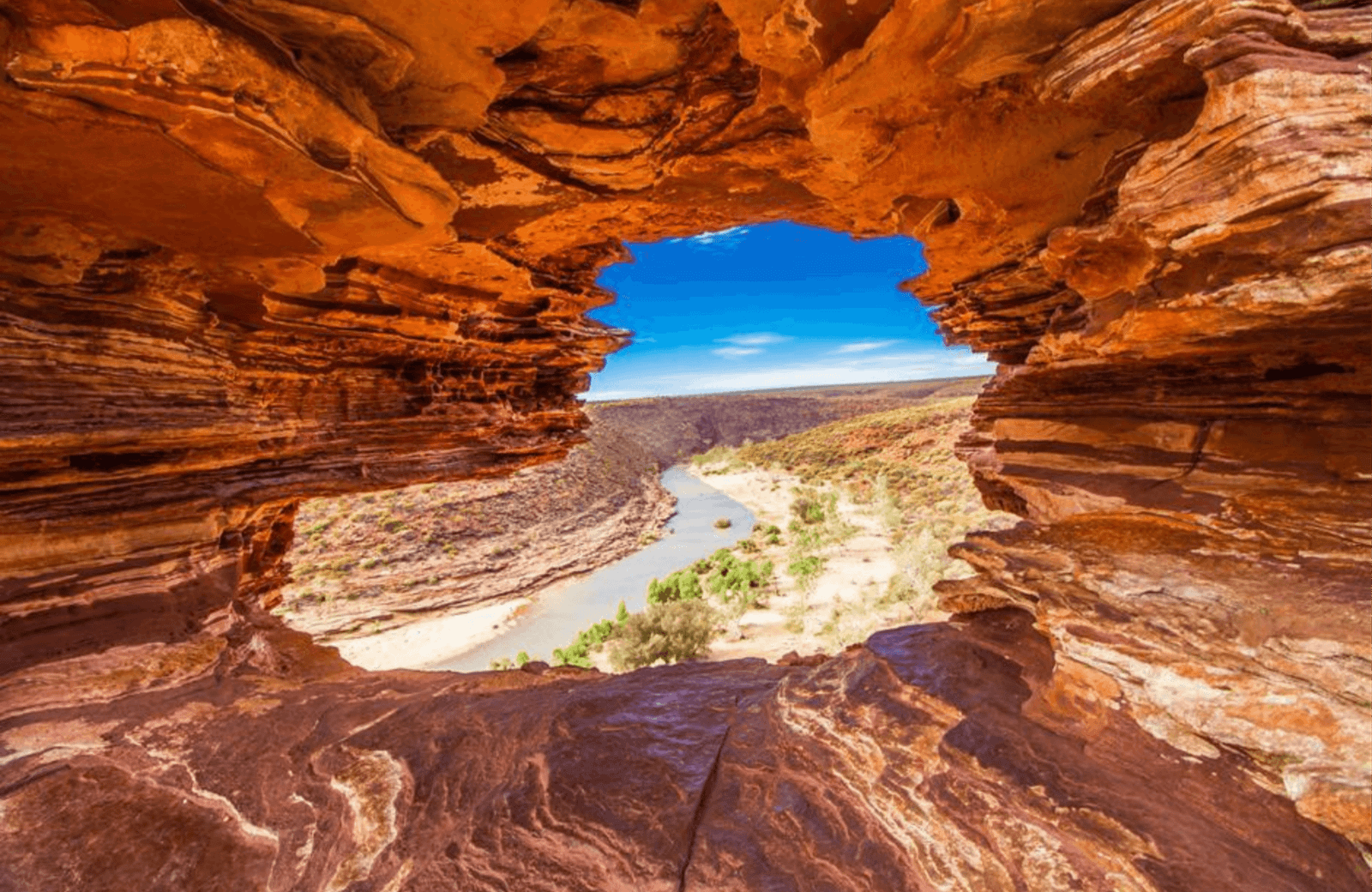
Kalbarri National Park features dramatic river gorges, red sandstone cliffs, coastal scenery, and seasonal wildflowers. It is particularly appealing to travellers who enjoy viewpoints, photography, and outdoor exploration.
Nature’s Window and the Kalbarri Skywalk are well-known places to experience the gorge landscape, subject to current access and weather conditions.
Things to do:
- Visit designated gorge lookouts.
- Photograph the Murchison River landscape.
- Explore approved walking tracks.
- Look for seasonal wildflowers when conditions are right.
Summer heat can make exposed walking routes hazardous. Carry enough water, check local warnings, and avoid strenuous activities during extreme temperatures.
12. Booderee National Park, New South Wales
apollocamper.com
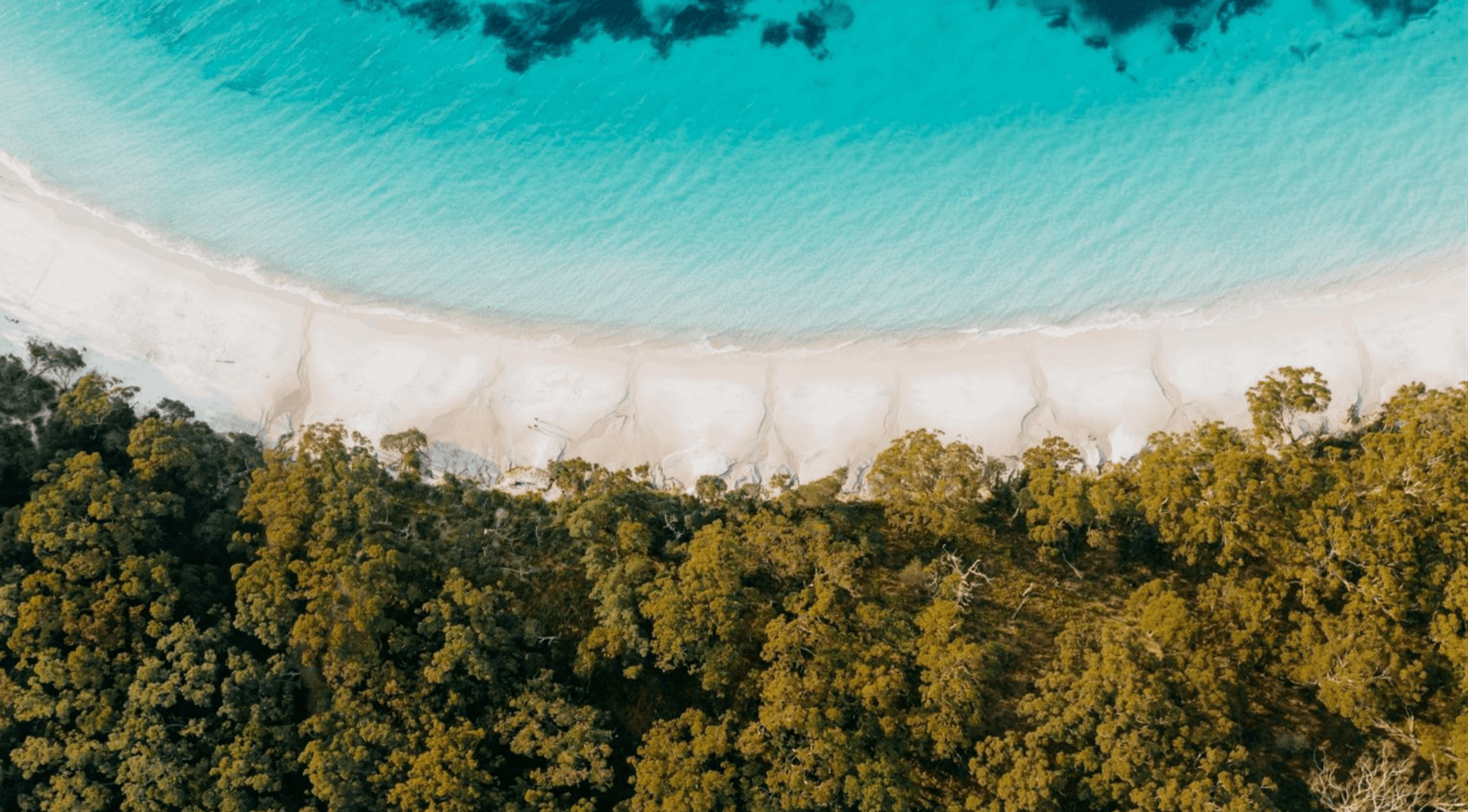
Booderee National Park, in the Jervis Bay area, combines coastal vegetation, white-sand beaches, cliffs, and native birdlife. It is managed in partnership with its Traditional Owners and provides opportunities to learn about the cultural and natural heritage of the area.
Visitors can enjoy selected walking tracks, coastal scenery, birdwatching, and beach activities where permitted.
Why include Booderee?
- Coastal landscapes and clear-water beaches.
- Walking and nature observation.
- Opportunities to learn about local Aboriginal culture.
- A mix of relaxed beach visits and outdoor exploration.
Check access, camping requirements, and park notices before your visit through Parks Australia.
The examples above represent different regions and landscapes rather than a definitive ranking. Tourism Australia also highlights destinations such as these for their distinctive scenery, wildlife, and outdoor experiences.
Quick Comparison: Which Australian Park Should You Visit?
| National park | State or territory | Best known for | Suitable trip style |
|---|
| Kakadu | Northern Territory | Wetlands, rock art, wildlife | Nature and cultural exploration |
| Uluṟu-Kata Tjuṯa | Northern Territory | Sacred rock formations and desert scenery | Cultural and scenic travel |
| Blue Mountains | New South Wales | Cliffs, forests, waterfalls | Day trips and hiking |
| Daintree region | Queensland | Tropical rainforest | Guided nature experiences |
| Cradle Mountain-Lake St Clair | Tasmania | Alpine scenery and lakes | Hiking and wilderness |
| Freycinet | Tasmania | Wineglass Bay and coastal walks | Coastal scenery and walking |
| Karijini | Western Australia | Gorges and red rock landscapes | Outdoor adventure |
| Wilsons Promontory | Victoria | Beaches, peaks, and wildlife | Walking and camping |
| Flinders Chase | South Australia | Remarkable Rocks and coastal cliffs | Scenic road trips |
| Ikara-Flinders Ranges | South Australia | Rugged ranges and Wilpena Pound | Remote nature travel |
| Kalbarri | Western Australia | River gorges and lookouts | Photography and hiking |
| Booderee | New South Wales | Beaches and coastal forest | Relaxed coastal visits |
Facilities, access rules, fees, and available activities vary by park and can change. Confirm details with the official managing authority before departure.
Best Activities in Australia's National Parks and Reserves
Wildlife Watching and Birdwatching
Australian protected areas support a wide variety of native animals, including kangaroos, wombats, wallabies, echidnas, and many bird species. Sightings are never guaranteed, and wildlife is best observed from a respectful distance. Never feed wild animals or approach them for photographs. Feeding can change natural behaviour and may put both people and animals at risk.
Hiking and Nature Walks
Walking trails provide a closer look at forests, coastlines, mountains, and desert landscapes. Select routes based on your fitness, experience, and the weather. For longer walks, tell someone your plans, carry sufficient water, and check whether the track is open. Do not assume a trail is safe simply because it appears short on a map.
Camping and Stargazing
Camping can be a memorable way to experience quieter natural areas. Some parks have designated campsites, while others require advance reservations or have limited facilities. At night, follow fire restrictions and campsite rules. In remote areas, plan for limited mobile reception and bring appropriate lighting and emergency supplies.
Cultural and Educational Experiences
Many protected landscapes have deep connections to Aboriginal and Torres Strait Islander communities. Guided experiences can help visitors understand local histories, cultural practices, and relationships with Country. Choose reputable guides and follow instructions about sacred places, photography, and restricted areas.
Best Time to Visit National Parks in Australia
Australia covers a large area with different climates, so there is no single best month for every national park.
| Region or environment | General planning considerations |
|---|
| Tropical northern Australia | Wet and dry seasons can affect roads, trails, waterfalls, and access |
| Desert and Red Centre | Cooler periods can be more comfortable for daytime walking |
| Southern mountain regions | Conditions vary with season; cold weather and snow can affect trails |
| Coastal parks | Weather, tides, wind, and sea conditions influence activities |
| Forest and rainforest areas | Rain can affect track conditions and visibility throughout the year |
Use these as broad guidelines rather than fixed guarantees. Check the park’s official website for seasonal closures, weather alerts, fire danger, and local conditions.
How to Plan a Safe and Responsible National Park Trip
Check Official Park Alerts
Before travelling, check for closed roads, track maintenance, bushfire warnings, flooding, and other restrictions. Queensland’s parks authority recommends checking park alerts, weather forecasts, and permitted activities before visiting.
Carry Essential Supplies
Depending on the location, take drinking water, food, sun protection, sturdy footwear, suitable clothing, a map, and a charged phone. For remote journeys, prepare for limited mobile reception and longer travel times.
Respect Wildlife and Cultural Sites
Keep your distance from animals, stay on marked tracks, take rubbish with you, and respect signs around cultural sites. Do not remove rocks, plants, shells, or other natural material.
Understand Fees and Permits
Some parks require entry fees, camping bookings, activity permits, or special arrangements. Others have free access to certain areas. Check the relevant official park website rather than relying on outdated travel information.
Leave No Trace
Take all rubbish with you, use designated facilities, follow fire restrictions, and avoid damaging vegetation. Responsible travel helps protect the landscapes and wildlife that make Australia's parks special.
Conclusion
From Kakadu’s wetlands and the sacred landscape of Uluṟu-Kata Tjuṯa to Tasmania’s mountain lakes and Western Australia’s rugged gorges, national parks and reserves in Australia reveal the extraordinary diversity of the continent.
Each destination offers a different way to connect with nature, whether through hiking, wildlife observation, coastal scenery, or cultural learning. The most rewarding trips begin with realistic planning, respect for Traditional Owners, and a commitment to protecting the environment.
Before setting off, check official park alerts, access conditions, fees, and safety guidance. With thoughtful preparation, you can explore Australia's natural wonders while helping preserve them for the future.
For more travel inspiration, explore Australian Continent for guides to Australia’s landscapes, wildlife, destinations, and outdoor experiences.


